Landscaping Belmont gardens for sand, salt and sea wind
Sand, salt and wind decide what lasts in a Belmont garden. Fernline Landscapes chooses plants, lawns and materials that last on the peninsula between the lake and the ocean, about 20 minutes from our Broadmeadow yard.
Belmont has the lake on one side and the Tasman Sea on the other. Your garden gets the salt from both directions.
Belmont sits on a sandy peninsula with the Tasman Sea to the east and Lake Macquarie to the west. The Belmont Baths sit on the lake foreshore, the Lake Macquarie Yacht Club is on Ada Street, and the council reports that a water level gauge at Belmont shows the lake rising about 3.2 mm a year over 37 years. That mix of sand, sea wind and low lakeside ground shapes almost every garden in the suburb, from the plants that survive to the screws that hold the fence together.
Built for salt and wind
Belmont gets weather that most Lake Macquarie suburbs don't. The ocean is close on the eastern side, the lake is on the western side, and the wind carries salt across the whole peninsula. Plants from a garden centre in a sheltered suburb often burn brown at the edges within a season here.
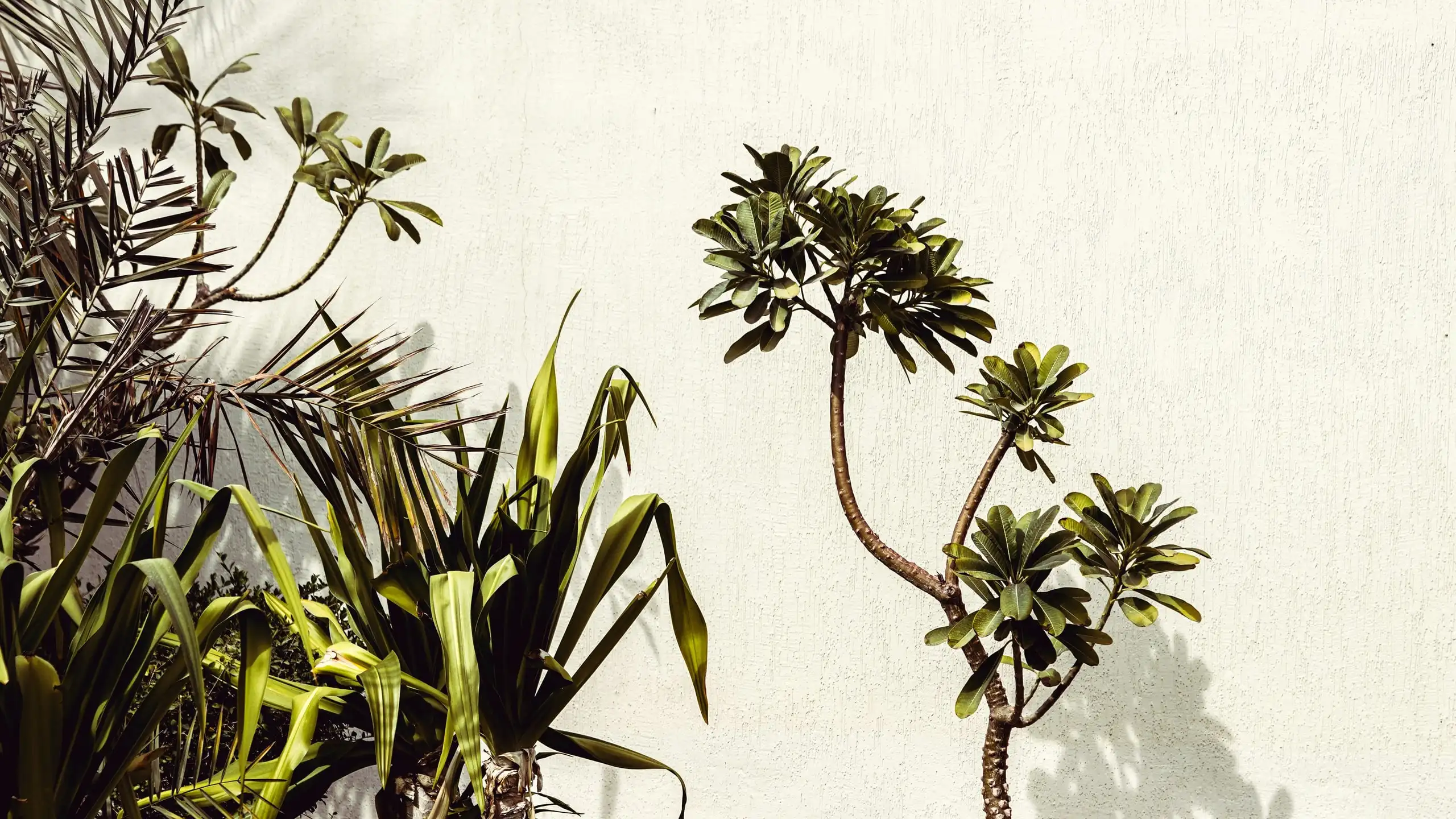
So your garden starts with plants that already live on this coast. Coastal banksia, westringia, lomandra and other natives that grow wild on the sand dunes are the front line. Once they're up, they shelter the softer plants behind them. We plant in groups rather than one of everything, which makes the garden tougher and gives it a look that suits the place.
Gardens on sand
The upside of Belmont's sand is that it never turns into a bog. The downside is that it holds almost nothing: water, fertiliser and compost wash straight through. Before anything is planted, we dig organic matter through the beds and lay mulch thick enough to keep the soil cool and damp. Lawns get the same treatment underneath.
Sand also moves. Paving, edging and walls need a compacted base, or they slowly sink and spread. It's the part of the job you'll never see, and it's the reason the paving is still level in ten years.
Watering is the other half. On sand, a short sprinkle every evening keeps roots near the surface, where they cook in the first heatwave. A longer soak once or twice a week sends them down. If you want irrigation, we set it up on a timer that does exactly that, with drip lines under the mulch rather than sprays that blow away in the wind.
Ocean side or lake side
Where you are on the peninsula changes the garden. The closer you live to the ocean, the harder the salt wind hits, and the more the planting needs a tough front row facing east. On the lake side, the wind is softer but the ground is lower, and the bottom of the yard can stay damp after heavy rain.
So we don't use one plant list for the whole suburb. On the ocean side, we lean on the hardiest coastal shrubs and grasses and keep softer plants in the lee of the house. On the lake side, there's room for a wider mix, with plants at the bottom of the yard that don't mind wet feet.
What we build in Belmont
Our lawn on the sand died every summer. They dug compost through, relaid it and set the watering to twice a week, and it's still green in February.
Michelle, Belmont · Sample review
01
Salt-wind native gardens
Coastal plants that cope with salt spray and wind, planted in improved sand and mulched deep, with a hardy front row that shelters the softer plants behind it.
Soil improved before the turf goes down, a warm-season grass suited to sandy coastal ground, and watering set up so the lawn roots go deep rather than staying shallow.
Hot-dip galvanised or stainless fixings, natural stone and treated timber chosen for a salty site, so the screen, the edging and the gate don't rust out in a few years.
Landscaping in Belmont: your questions
What kind of lawn copes with sand and salt air in Belmont?
A warm-season grass that tolerates sandy ground and some salt, laid on sand that's been improved with organic matter first. Buffalo and couch types are common choices on the coast. The soil prep matters more than the variety: lawn on raw sand dries out within days.
Our garden beds dry out a day after watering. Why?
Sand holds very little water. It runs straight through and takes the nutrients with it. We dig compost through the beds, mulch them thickly and choose plants that come from coastal sand, so the garden lives on rain most of the year instead of the hose.
Will the salt air rust fixings in a new screen or gate?
Ordinary zinc-plated screws and brackets can start rusting within a couple of years this close to the sea. We use hot-dip galvanised or stainless fixings, and choose stone, treated timber and coatings that are made for coastal exposure.
Is the lake rising at Belmont, and does it matter for my garden?
Slowly. A gauge at Belmont has recorded a rise of about 3.2 mm a year over 37 years, according to the council. For a garden on higher ground, it changes little. On the lowest lakeside blocks, it's a reason to pick plants that can stand wet roots and keep walls back from the water.
What can we plant as a windbreak on the ocean side of the yard?
Tough, salt-tolerant coastal shrubs at the front, like westringia and coastal banksia, with softer plants sheltering behind them. A windbreak that lets some wind through works better than a solid wall, which sends gusts tumbling over the top.
Will pavers sink if they're laid on sand?
Not if the base is done properly. Loose sand moves, so we dig out, lay and compact a road-base layer in stages, then bed the pavers on top with edge restraints to stop them creeping. Most sinking pavers on the coast were laid straight on the sand.
Send us your garden
A few photos and a rough idea is enough. We'll ring to book a free site visit, then send a fixed quote with a drawing.