Front yard landscaping: ideas and costs
A good front yard does three jobs: a clear way to the door, a look that suits the house, and plants that cope with your soil and wind. Most of ours cost $8,000 to $30,000. Here's how to plan one.
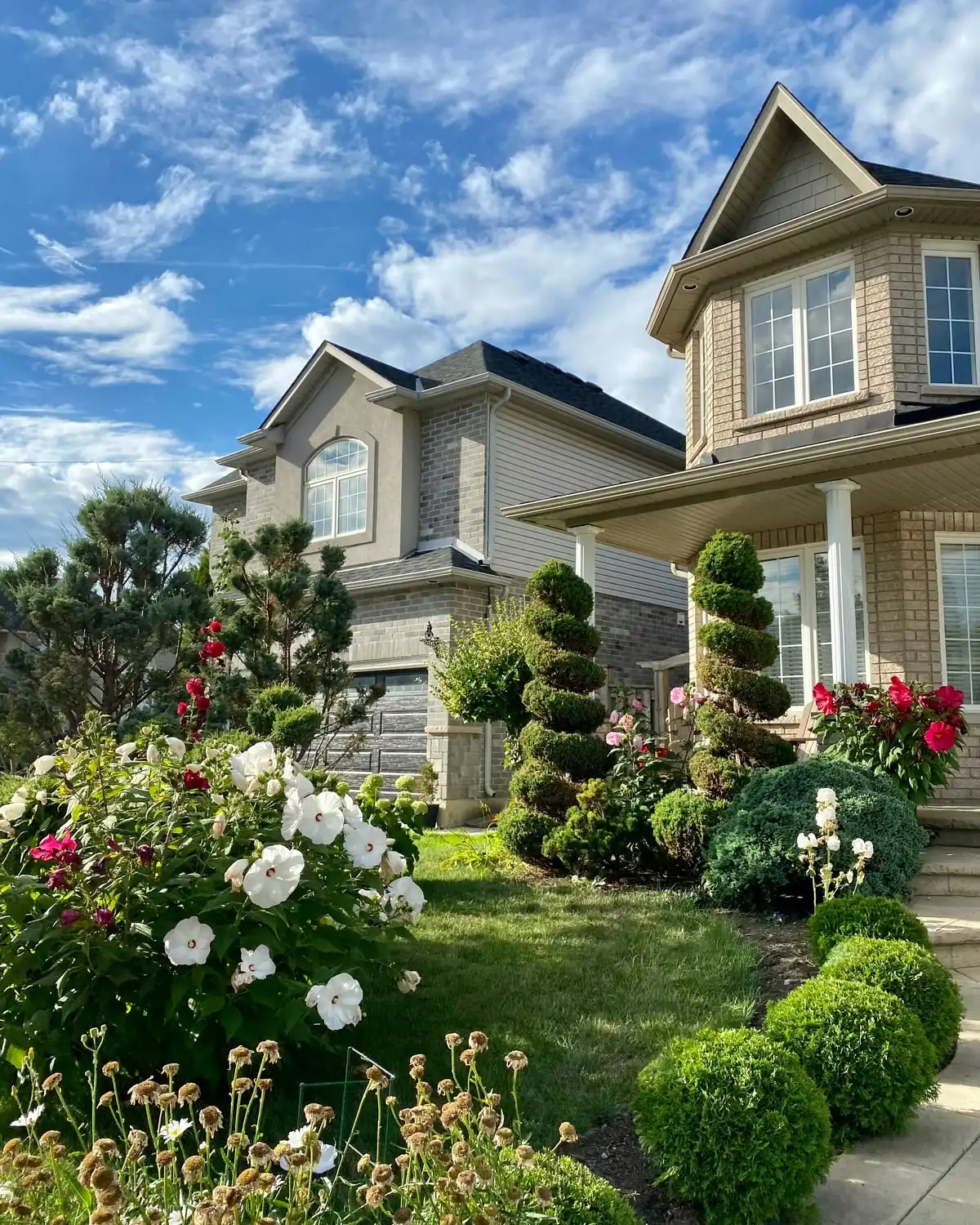
A good front yard does three jobs: a clear way to the door, a look that suits the house, and plants that cope with your soil and wind. Most of ours cost $8,000 to $30,000. Here's how to plan one.
A good front yard does three things. It gives you and your visitors a clear, safe way to the front door. It suits the age and style of the house. And it's planted with things that cope with your soil, your sun and your wind, so it still looks good in its third summer without hours of work. Most front yards we build in Newcastle and Lake Macquarie cost between $8,000 and $30,000.
Here's how to plan front yard landscaping that lasts, with ideas that suit Australian houses, real plant names for coast and clay, and what each part costs.
The front yard is the frame around your house, so the house should lead. A garden that looks right in front of a new brick home can look odd in front of a weatherboard cottage.
Federation and interwar cottages. These were built with straight paths, low hedges to the street and beds along the verandah. A sandstone path, sandstone edging and a low clipped hedge of westringia suit them, and so do cottage-style beds with correa, native violet (Viola hederacea) and grasses. If your house is in a heritage conservation area, check your council's controls before you change what's seen from the street.
Post-war brick bungalows. Usually a front lawn, a concrete path and a few shrubs against the house. A wider path in pavers, a smaller lawn with a clean edge and a native bed along the boundary bring them up to date without fighting the house.
New estate homes. Usually builder's turf, a sloping front and not much else. These need levels and structure first, then planting. A low wall, a path from the driveway to the door and a few strong groups of natives make a big difference for the money.
1. Make the path the main feature. The path to the front door is the one part of the yard everyone uses. Make it wide enough for two people side by side, lay it on a compacted base so it stays flat, and light it so it's safe at night. Concrete pavers start at about $110 a square metre laid, and natural stone or porcelain runs $160 to $260. Our guide to paving in Newcastle compares the materials.
2. Shrink the lawn. A front lawn that nobody plays on is mowing for the sake of mowing. Keep a small, well-edged panel of turf if you like the look, and turn the rest into planted beds. Natural turf laid with proper soil preparation costs about $35 to $55 a square metre, and planted beds $80 to $150. Beds cost more to put in, but they need far less work and water once established.
3. Level a sloping front with a low wall. A front yard that falls towards the street is hard to use and hard to mow. A low sandstone block wall, with drainage behind it, turns the slope into a level bed or a flat lawn. A 600mm sandstone block wall costs about $450 to $650 a linear metre installed. In NSW, a wall up to 600mm can be exempt development if it meets the Codes SEPP conditions, including at least 1m from each boundary, at least 2m from any other retaining wall, and drainage connected to your stormwater. It can't be exempt on a heritage item, and in a heritage conservation area it has to be in the back yard, so a low wall in a heritage front yard needs approval. Our page on retaining walls in Newcastle explains how we build them.
4. Plant in groups, not one of everything. Five or seven of the same plant in a drift looks deliberate. One each of twenty plants looks like a nursery sale. Pick three or four plants that suit your conditions and repeat them.
5. Keep the driveway edges low. Plants beside a driveway should stay below knee height, so you can see people on the footpath when you reverse out. Lomandra 'Tanika', dianella and native groundcover grevilleas do this without needing to be cut back.
6. Use gravel and mulch where plants struggle. Under a big tree, along a narrow side strip or where the downpipe runs, a gravel strip with a few tough plants often works better than lawn or a bed that's always fighting for water.
Near the beach, salt wind is the thing that kills front gardens. Plants from the coast handle it. Coast banksia (Banksia integrifolia) makes a tough small tree. Coastal rosemary (Westringia fruticosa) makes a hedge that takes salt spray head on. White correa (Correa alba), cushion bush (Leucophyta brownii) and Lomandra longifolia fill the middle. Pigface (Carpobrotus glaucescens) covers sandy banks and flowers bright pink in spring and summer.
Sandy soil drains fast, which plants like, but it holds almost no water or nutrients. Dig in compost or a good garden mix before planting, mulch thickly, and water deeply for the first summer while the roots get down.
Away from the coast, through the western suburbs of Newcastle and much of Lake Macquarie, the ground is heavy clay. It stays wet after rain, then sets hard and cracks in a dry spell. Plants from clay country do best. Dianella caerulea, Lomandra 'Tanika', Callistemon 'Little John', Westringia 'Grey Box' and groundcover grevilleas like 'Poorinda Royal Mantle' all cope with it.
On clay, drainage comes before planting. If your front yard ponds after a storm, fix where the water goes first, then raise the beds slightly and improve the topsoil so roots don't sit in water. Our page on native garden design covers how we plan planting for Hunter conditions.
If you keep a lawn, pick the grass for where it's growing. Soft-leaf buffalo varieties like Sir Walter handle part shade well and suit most front yards. Couch varieties like it hot and sunny and wear well, but thin out in shade. Kikuyu is tough and cheap, but it runs into garden beds and paths and needs regular edging to keep it in place. For a small front panel that's hard to keep green, synthetic turf at $90 to $140 a square metre is an option, though for most sunny front yards real turf is the better buy. Our page on turf and synthetic turf in Newcastle covers both.
Here is a small, flat front yard worked out at our usual rates, to show how the numbers add up:
That comes to about $4,650 to $8,000, before taking out the old lawn and shrubs, edging, drainage, irrigation and the clean-up. That's why most front yards we build land at $8,000 or more. A sloping front with a sandstone wall, a wider stone path and more planting moves towards $30,000. Prices are a guide, + GST, installed and cleaned up. For the same rates across a whole garden, front and back, see our landscaping cost guide.
Pipes and cables often run under front yards, so lodge a free enquiry with Before You Dig Australia before any excavation, or ask your landscaper to. The nature strip between your boundary and the road usually belongs to the council, so check with them before you plant or pave it. Walls, paving and other structural landscaping over $5,000 need a contractor licence from NSW Fair Trading, so ask for the number on your quote.
We design and build front yards across Newcastle and Lake Macquarie, from heritage cottages near the harbour to new estate homes on the western ridges. You can see the kinds of jobs we do on our page about landscaping in Newcastle. The site visit is free and the drawing is included in the quote for a garden we build. Book a site visit and we'll walk the front with you, check the soil and the slope, and send a fixed, itemised price.
Most front yards we build in Newcastle and Lake Macquarie cost $8,000 to $30,000 + GST. The lower end is new planting, turf and a simple path on a flat block. The higher end adds a low sandstone wall to level a slope, natural stone paving and drainage. The site visit is free and the drawing is included in the quote when we build the garden.
Natives that suit your soil. Lomandra, dianella, westringia and correa all need little water once established, don't need regular pruning and handle Australian summers. Plant them in groups, mulch the beds well and put in drip irrigation for the first summer, and the garden mostly looks after itself after that.
Plants that grow naturally on the coast. Coast banksia (Banksia integrifolia), coastal rosemary (Westringia fruticosa), white correa (Correa alba), pigface (Carpobrotus glaucescens), cushion bush (Leucophyta brownii) and Lomandra longifolia all take salt spray. Put the toughest ones on the windward side and they shelter softer plants behind them.
Only if you'll use it or you like the look of it. A small, well-edged lawn suits a lot of older houses and gives the garden a clean centre. A large front lawn nobody walks on is a lot of mowing for little return, and a native garden bed in its place uses less water and looks good all year.
Planting, turf and garden beds usually don't need approval. A retaining wall up to 600mm can be exempt development in NSW if it meets the Codes SEPP conditions, including sitting at least 1m from each boundary; taller walls need approval and an engineer. In a heritage conservation area a wall is only exempt in the back yard, so check your council's controls before changing anything seen from the street.
Match it to the house. Sandstone or natural stone suits Federation and interwar cottages, and porcelain or a large-format concrete paver suits a modern home. Concrete pavers start at about $110 a square metre laid and natural stone or porcelain runs $160 to $260, + GST. Whatever you choose, it needs a compacted base so it stays flat.
A few photos and a rough idea is enough. We'll ring to book a free site visit, then send a fixed quote with a drawing.